

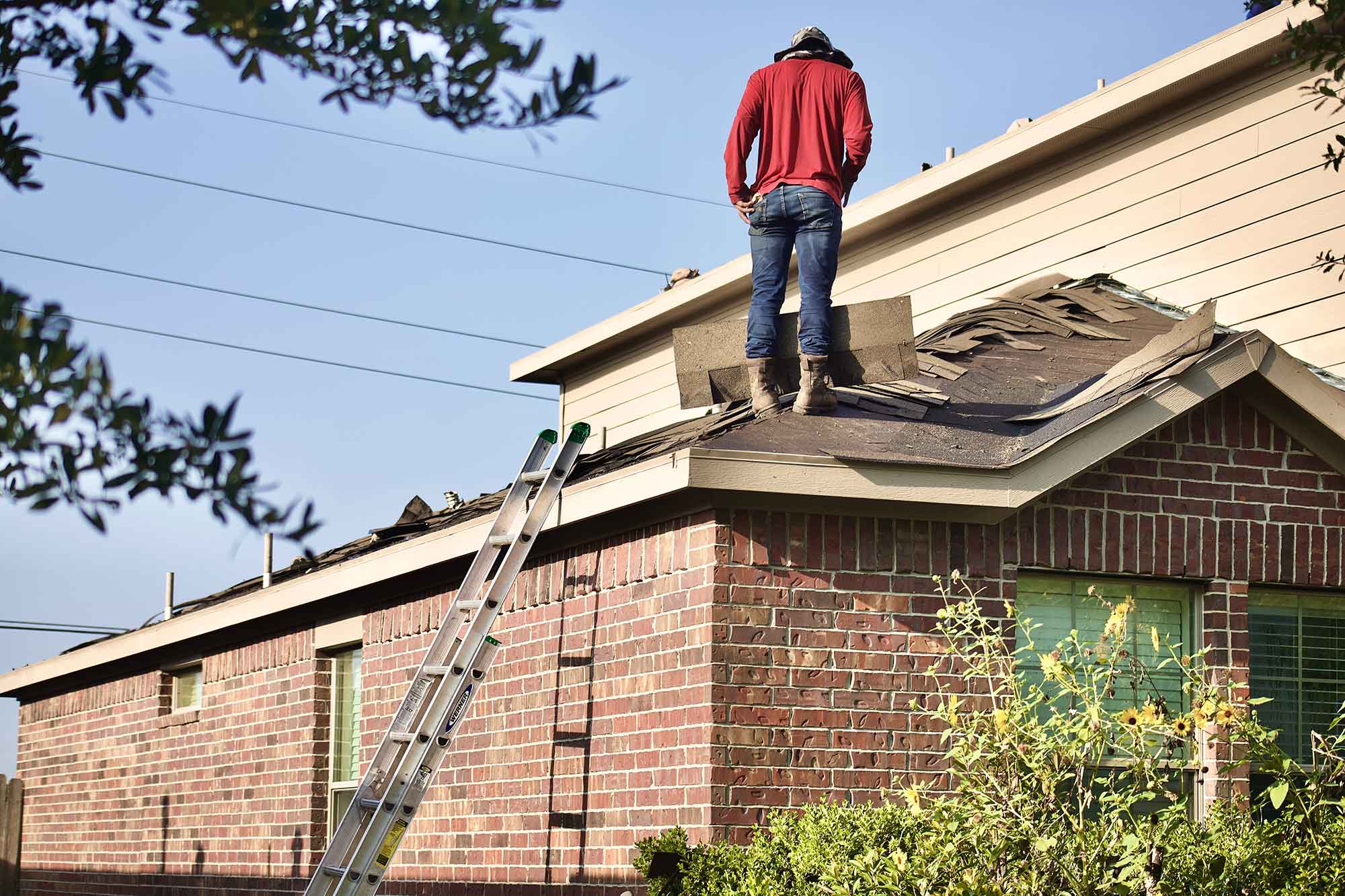
Chimney Draft and Smoke Problems in Austin: Diagnostics & Repairs
Chimney draft and smoke problems in Austin homes compromise indoor air quality and point to immediate pressure imbalances inside your living space. We diagnose and correct these airflow failures across Travis County to keep soot, toxic particulate, and dangerous combustion gases out of your living room.
Is Smoke Going Somewhere It Shouldn’t?
A fireplace that used to work normally can start behaving differently.
Sometimes smoke enters the room immediately. Sometimes the fire is harder to get going. Other times, the problem only happens under certain conditions.
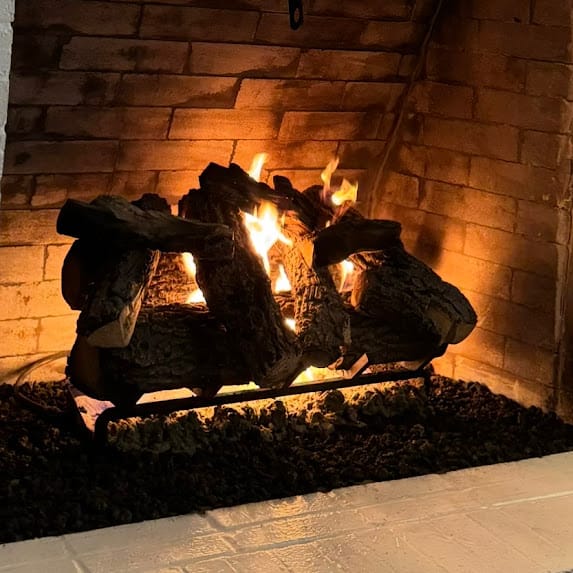
Smoke Comes Back Into the Room
Smoke should move from the fireplace into the chimney. If it starts coming back into the room instead, something may be affecting the airflow through the fireplace and chimney system. Possible causes include buildup, blockage, damper trouble, flue conditions, or another issue.
The Fireplace Smokes When You First Start a Fire
Some homeowners notice smoke mainly during startup. If this is new or happens repeatedly, it is worth checking instead of assuming that every fire will behave that way.
The Fire Is Harder to Get Going
A fire that suddenly becomes more difficult to establish may point to a change in airflow. That does not automatically mean the chimney needs repair, but it provides another clue about what is happening.
Smoke Problems Started Suddenly
If the fireplace worked normally before and the problem appeared suddenly, tell us what changed. Recent chimney or fireplace work, storms, renovations, long periods without use, unusual debris, or a changed appliance setup can provide useful context.
The Problem Is Worse on Certain Days
Draft can sometimes behave differently depending on conditions around the home. If the smoke problem appears only at certain times, make note of when it happens and what you observe.
You Hear or Feel Air Coming Down the Chimney
Air moving down toward the fireplace can be a sign of a downdraft or another airflow issue. The next step depends on what is causing the air to move in the wrong direction.
Opening the Damper Doesn’t Fix It
If the damper is fully open but smoke still enters the room, the cause may be somewhere else.
If the damper will not open correctly, see Chimney Damper RepairThe Fireplace Used to Work Fine
A change from normal behavior matters. If the same fireplace and chimney used to vent properly, something may have changed in the system or around it. That provides a better starting point than assuming the fireplace was always designed that way.
Smoke coming into the room or chimney not drafting properly?
Get Help With Smoke & Draft ProblemsChimney Care Experience in Numbers
A summary of the inspection, sweeping, and repair experience supporting Santa Chimney Sweep’s service.
Google Reviews From Austin-Area Customers
Selected feedback about chimney, fireplace, and repair services.
Selected excerpts from customer reviews posted on Google. First names are abbreviated when a surname is available; single-name profiles remain unchanged.
Questions Homeowners Ask About Fireplace Smoke and Draft
Can negative air pressure cause chimney draft and smoke problems?
Yes. Negative house pressure forces outdoor air down the flue to equalize indoor vacuums created by exhaust fans, kitchen range hoods, and air handlers. This pulls combustion smoke directly backward into living spaces.
Tightly sealed homes restrict natural makeup airflow. The chimney converts into a fresh air intake whenever mechanical systems run without dedicated combustion air vents, according to residential energy research at the Energy Department. Contact Santa Chimney Sweep for diagnostic airflow testing.
Does a cold chimney flue cause chimney draft and smoke problems?
Yes. Cold, dense air settles inside exterior chimneys, creating a heavy plug that blocks rising warm gases. When a fire is lit, the trapped smoke deflects back down into the room instead of lifting out.
Exterior masonry towers lose heat quickly during cold weather. Priming the flue with a torch or rolled newspaper warms the flue tiles and restores upward draft velocity. Santa Chimney Sweep resolves chronic chimney flue cold-sinking issues through insulated relining systems.
Can an incorrect flue size cause chimney draft and smoke problems?
Yes. A flue that is too small cannot vent the volume of smoke generated by the firebox, while an oversized flue slows exhaust velocity. Both sizing errors trigger smoke roll-out into the home.
Open masonry hearths require specific area ratios based on firebox dimensions. The Federal Emergency Management Agency outlines these clearance and venting standards for residential fire mitigation. Let Santa Chimney Sweep calculate your exact flue area ratios.
Does creosote buildup lead to chimney draft and smoke problems?
Yes. Heavy creosote deposits restrict the cross-sectional area of the flue pipe, creating friction that impedes rising combustion gases. This restriction causes sluggish airflow and pushes smoke out of the firebox opening.
Stage three creosote forms a thick, glassy glaze across the terracotta walls. This material creates severe chimney fire hazards and chokes off draft, as documented by the National Institute of Standards and Technology. Trust Santa Chimney Sweep to clear these blockages.
Can windy conditions trigger chimney draft and smoke problems?
Yes. Wind blowing over steep roof pitches, parapets, or nearby trees creates downward pressure eddies over the chimney top. This turbulence forces smoke backward down the flue during gusts.
Chimneys terminating below the NFPA 211 height clearance line suffer persistent wind-induced downdrafts. Aerodynamic wind-directional caps stop these down-flue air currents, as noted in aerodynamic building studies from Iowa State University. Have Santa Chimney Sweep inspect your cap assembly.
Will a damaged damper create chimney draft and smoke problems?
Yes. Warped, off-track, or corroded throat dampers fail to open fully, creating a physical barrier that traps smoke inside the firebox. Even partially closed damper plates force smoke roll-out.
Cast-iron dampers frequently rust and seize due to rain exposure. Installing modern top-sealing units restores complete draft control and prevents heated air from leaking out of living rooms. Contact Santa Chimney Sweep to evaluate damaged damper assemblies.
Does poor firewood quality cause chimney draft and smoke problems?
Yes. Unseasoned, wet firewood burns below optimal combustion temperatures, generating excessive moisture and dense smoke that lacks sufficient heat energy to rise. The cool gases stall inside the chimney liner.
Green wood wastes thermal energy evaporating internal water rather than creating buoyant draft forces. The Environmental Protection Agency recommends burning split firewood seasoned for at least six months. Consult Santa Chimney Sweep for complete hearth efficiency assessments.
Can an obstructed chimney cap cause chimney draft and smoke problems?
Yes. Clogged spark arrestor mesh, bird nests, leaves, or animal debris directly choke the flue exit point. Trapped exhaust gases build back-pressure and escape back into your home.
Leaves and animal nesting materials accumulate rapidly on top of spark screens during autumn. Clean mesh guarantees free air passage and maintains the proper safety margins detailed by the U.S. Forest Service. Let Santa Chimney Sweep clear your chimney spark screens.
Can a missing smoke shelf cause chimney draft and smoke problems?
Yes. Without an engineered smoke shelf, natural descending cool air currents collide directly with rising warm gases. This collision generates turbulence that drives smoke out into the living space.
The horizontal smoke shelf deflects descending cold air drafts back upward into the hot exhaust stream. The National Park Service details these historic masonry fireplace proportions in historic preservation guidelines. Have Santa Chimney Sweep inspect your smoke chamber geometry.
Will short chimney heights cause chimney draft and smoke problems?
Yes. Chimneys that do not extend high enough fail to generate the pressure differential required to pull smoke upward. Low terminations also leave flues vulnerable to roof ridge wind turbulence.
Building codes require chimneys to clear the roof penetration by at least three feet. Terminations must also be two feet higher than any roof surface within ten feet, as specified in the construction guidelines from Texas A&M University. Contact Santa Chimney Sweep to calculate proper stack height.
Tired of Smoke Coming Back Into the Room?
You do not need to know whether the problem is the damper, buildup, smoke chamber, flue, or something else before calling. Tell us when the smoke appears and what the fireplace is doing. We’ll help you narrow down what needs attention.