
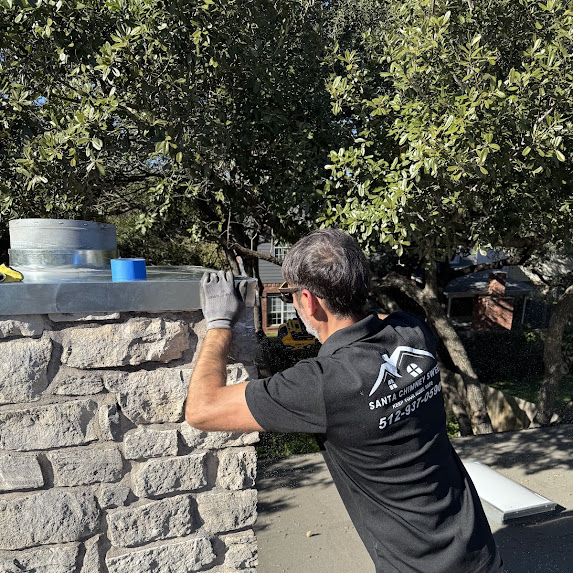
Expert Chimney Repair & Masonry Restoration in Austin, TX
Seeing cracks, leaks, loose bricks, or other chimney damage? Tell us what you are seeing. We can help identify the problem and point you toward the right chimney repair.
Is Your Austin Fireplace Displaying These Structural Red Flags?
Austin's intense weather and rapid freeze-thaw shifts accelerate masonry degradation. Over 68% of chimney leaks stem from hidden concrete crown fractures or rusted chase covers before brick spalling appears. Match your symptoms below to the exact repair solution:
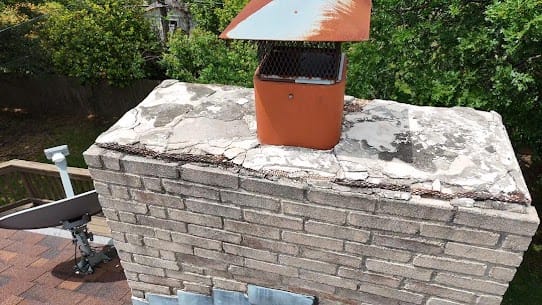
Bricks or Mortar Are Cracking
Cracked bricks, missing mortar, or pieces coming loose usually mean the masonry needs attention.
See Chimney Masonry RepairYou’re Seeing Water or Dampness
Water stains, damp smells, or moisture near the fireplace can mean water is getting in around the chimney. The source could be the flashing, crown, masonry, cap, or another exposed area.
Start With Chimney Leak RepairThe Top of the Chimney Is Cracked
The masonry surface at the top of the chimney is called the crown. If it is cracked, worn, or breaking apart, water can find its way into places where it should not be.
See Chimney Crown RepairThere’s Damage Where the Chimney Meets the Roof
The flashing seals the area where the chimney passes through the roof. If that area is loose, damaged, or pulling away, it may become a path for water.
See Chimney Flashing RepairPieces Are Falling Into the Fireplace
Loose soot is one thing. Pieces of tile, mortar, brick, or other material can mean something inside the chimney is deteriorating.
Start With a Chimney InspectionSmoke or Draft Has Changed
A fireplace that suddenly smokes into the room or does not draft like it used to can have several causes. It may be buildup, a blockage, damage, the damper, the flue, or something else.
Start With a Chimney InspectionMore Than One Part Looks Damaged
Sometimes the chimney has more than one isolated problem. If you are seeing widespread masonry damage, water problems, cracking, or general deterioration, a larger repair such as chimney restoration may make more sense than treating each spot separately.
See Chimney RestorationSeeing one or more of these warning signs? You do not need to identify the damaged chimney part before booking.
Book Chimney RepairChimney Care Experience in Numbers
A summary of the inspection, sweeping, and repair experience supporting Santa Chimney Sweep’s service.
Google Reviews From Austin-Area Customers
Selected feedback about chimney, fireplace, and repair services.
Selected excerpts from customer reviews posted on Google. First names are abbreviated when a surname is available; single-name profiles remain unchanged.
Questions Homeowners Ask About Chimney Repair
Clear answers about chimney masonry damage, repair costs, tuckpointing, flue liners, leaks, inspections, crowns, and storm-related chimney damage.
What causes severe chimney masonry damage in Austin homes?
Texas climate conditions create frequent freeze-thaw cycles that push moisture into tiny masonry pores. Trapped water expands, cracking surrounding mortar joints and causing outer brick faces to spall. Property owners can learn more about regional fire and structural codes through the City of Austin Government portal.
Frequent temperature shifts destabilize unsealed mortar beds, while heavy rain can drive water deep into structural walls. Regular chimney inspections help identify hidden hairline cracks before major structural damage develops. Professional chimney repair can also address porous masonry with appropriate vapor-permeable waterproofing treatments.
How much does professional chimney repair cost in Central Texas?
Minor repairs such as replacing caps or sealing small cracks may cost around $300 to $750. Major structural repairs, tuckpointing, or flue relining can range from $1,500 to $5,000+, depending on the scope of the work.
Total repair costs depend on chimney accessibility, height, materials, and the extent of structural damage. Custom scaffolding can increase labor requirements on multi-story homes, while replacing entire clay flue tiles generally requires a larger material investment than installing stainless steel liners. Early chimney inspections can help identify problems before minor damage becomes a much larger rebuild.
What are the main signs my chimney requires immediate tuckpointing?
Decaying mortar joints, falling sand-like debris on your roof, and loose bricks can indicate that tuckpointing is needed. Cracks exceeding 1/8 inch can also allow destructive water entry during rainstorms.
Failing mortar allows bricks to shift and rub against each other, accelerating structural wear during strong winds. Technicians remove deteriorated mortar to a consistent depth before filling the joints with fresh, color-matched mortar. Prompt chimney masonry repair can help extend the service life of the chimney structure.
How do I know if my chimney flue liner is cracked or damaged?
Flue damage may present as small clay pieces falling into the firebox, lingering smoke inside living spaces, or unusual odors during fireplace use. A professional inspection using internal video equipment can reveal damage that is difficult to see from the fireplace opening.
Internal cracks can allow heat and combustion gases to reach surrounding wall cavities. Depending on the chimney's condition, poured-in-place systems or stainless steel liner repair may restore the flue without requiring a complete chimney teardown. A Level 2 chimney inspection can provide a more detailed evaluation of the flue.
Can a leaking chimney damage my home interior framing?
Yes. Water entering around a chimney can travel through surrounding roof and wall assemblies, damaging drywall, ceiling joists, roof framing, and other interior materials. Moisture that remains trapped can also contribute to mold growth and wood deterioration.
Water can travel along hidden roof rafters far from the original chimney entry point. Addressing crown cracks through chimney crown repair and correcting flashing problems promptly can help prevent more extensive interior damage. Professional waterproofing can also help protect exterior masonry from continued moisture intrusion.
Why is my fireplace producing bad draft or pushing smoke into my house?
Draft problems can result from creosote blockages, damaged dampers, incorrect flue sizing, animal nests, loose masonry, or negative air pressure inside tightly sealed homes. A blocked or poorly functioning flue can prevent combustion gases from exiting properly.
Cold exterior air can also affect draft and force smoke back into living areas. Depending on the cause, correcting the problem may involve chimney damper repair or addressing chimney smoke and draft problems . Technicians can assess the chimney and surrounding airflow to identify the source of the draft issue.
What is the difference between a Level 1 and Level 2 chimney inspection?
A Level 1 inspection generally examines readily accessible interior and exterior chimney components. A Level 2 inspection is more extensive and can include video examination of the flue as well as accessible attic, crawl-space, and other areas affected by the chimney system.
A Level 2 evaluation is particularly useful when conditions have changed, a property is being transferred, or a chimney fire or other event may have caused hidden damage. Video equipment can reveal flue-tile cracks that are difficult to identify during a basic visual examination. Ask Santa Chimney Sweep which inspection level fits your situation.
How often should a masonry chimney crown be sealed or repaired?
Chimney crowns should be professionally evaluated regularly, especially when cracks, surface deterioration, or water intrusion are visible. Depending on the crown material and exposure, waterproof sealants may need to be renewed every 3 to 5 years.
Deep structural cracks may require more than surface sealing and can call for crown reconstruction or replacement. Sunlight and hail can deteriorate exposed coatings and concrete edges, allowing water to reach the masonry below. A properly constructed crown with an overhanging drip edge helps direct water away from the chimney structure and can reduce the need for extensive chimney rebuilding .
Can severe Austin hail storms damage my metal chimney cap?
Yes. Heavy hail can dent metal chimney caps, damage rigid concrete crowns, and break exposed clay flue tiles. Storm impacts can also loosen flashing seals around the chimney base and create new paths for rainwater.
Dented chase covers may collect standing water, which can accelerate corrosion and eventually create leaks. Prompt chimney water damage repair after a severe storm can identify damaged or shifted components before additional rain causes interior damage.
Why should I replace my galvanized chimney chase cover with stainless steel?
Galvanized steel can develop corrosion over time, eventually creating holes that allow water into the chimney system. Depending on exposure and installation conditions, a galvanized chase cover may begin showing significant corrosion within several years.
Rust holes can allow water to reach internal framing and contribute to ceiling stains and other moisture damage. Custom stainless steel chase covers provide strong corrosion resistance and can be fabricated with cross-breaks that help shed water efficiently. Replacing a deteriorated cover can reduce recurring maintenance and help protect the chimney from continued water intrusion.
Not Sure Which Chimney Repair You Need?
You do not need to figure out whether the problem is the crown, flashing, masonry, liner, chase cover, or another component before calling. Show us what you are seeing, and we’ll help you understand what needs attention.