

Austin Chimney Crack Repair
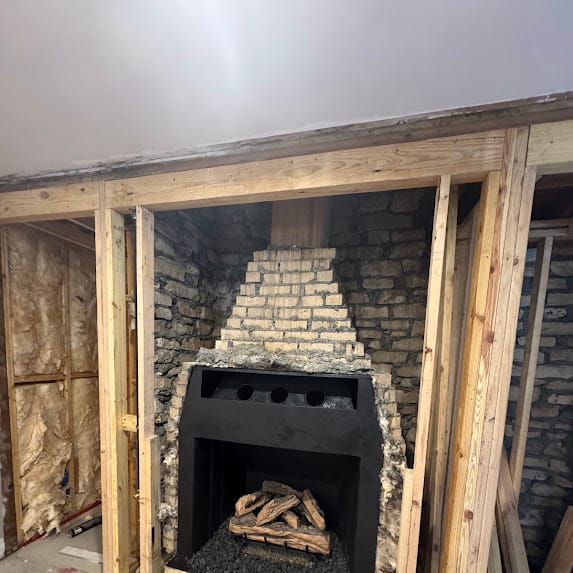
We repair structural and thermal chimney damage across Austin to protect your living space and preserve property value. Masonry cracks can allow rainwater to penetrate the chimney assembly, damage surrounding materials, and contribute to deterioration of interior masonry and firebox components. Our team evaluates the affected area to identify the cause and determine whether it requires localized masonry repair, tuckpointing, brick or stone replacement, or more extensive rebuilding.
Is There a Crack Running Through the Chimney Masonry?
Not every line in masonry indicates the same problem. Some conditions are limited to deteriorating mortar joints, while others affect individual bricks, stones, or a larger section of the chimney.
You do not need to identify which category applies before scheduling service. Start with the crack or change you can see.
The Crack Runs Across More Than One Masonry Unit
A visible line extending through multiple bricks, stones, or joints deserves a closer look. Its extent can help determine whether the condition is localized or part of a larger masonry problem.
The Crack Crosses Both Brick and Mortar
A crack extending across masonry units and mortar joints may be different from ordinary joint deterioration. The surrounding masonry should be considered before selecting a repair.
The Crack Looks Different Than It Used To
Maybe the line appears longer, wider, or simply more noticeable than before. Documenting what you have observed can provide useful context when the area is evaluated.
A Previous Crack Repair Is Opening Again
If a previously repaired crack has returned or changed, the existing condition should be reassessed before assuming the same repair should simply be repeated.
There Is Damage Around the Crack Too
Nearby brick may be deteriorated, mortar may be missing, or stone may appear loose. The repair scope should account for everything affected instead of treating the visible line in isolation.
You’re Not Sure Whether It’s a Crack or Failing Mortar
Crumbling joints throughout an area may point toward mortar repair. A distinct line extending through the masonry may require a more focused chimney-crack evaluation.
Learn about tuckpointing and mortar repairThe Damage Looks Too Large for a Small Repair
If the crack appears alongside widespread deterioration or a substantial damaged area, a localized crack repair may not describe the full project. The condition may need to be considered as part of a broader masonry repair or rebuild.
Learn about chimney rebuildingNot sure whether the visible line is in the brick, stone, mortar, or another chimney component? Tell us what you are seeing and where the crack appears.
Book Chimney Masonry RepairChimney Care Experience in Numbers
A summary of the inspection, sweeping, and repair experience supporting Santa Chimney Sweep’s service.
Google Reviews From Austin-Area Customers
Selected feedback about chimney, fireplace, and repair services.
Selected excerpts from customer reviews posted on Google. First names are abbreviated when a surname is available; single-name profiles remain unchanged.
Questions Homeowners Ask About Chimney Cracks
Can I light a fire before finishing Chimney Crack Repair?
No. Do not burn fuel when cracks may compromise the chimney flue, crown, firebox, or other components of the chimney system. Open gaps can allow heat, embers, smoke, and combustion gases to reach areas of the home that should remain protected. Have the damaged area evaluated and repaired before using the fireplace again.
Our technicians evaluate the affected masonry and surrounding components to determine the appropriate repair. The City of Austin Building Technical Codes provides requirements governing residential construction and fire-safety provisions.
How quickly does water damage follow an unsealed Chimney Crack Repair need?
Water can enter exposed chimney cracks during the next rainfall, particularly when masonry joints, bricks, or the crown have open pathways for moisture. Repeated water intrusion can contribute to deteriorating mortar, spalling masonry, interior staining, and damage to surrounding roof and attic components.
Prompt chimney crack repair helps limit continued moisture intrusion. The appropriate repair depends on whether the problem involves masonry joints, individual bricks or stones, the crown, flashing, or another component of the chimney system.
What causes stair-step cracks requiring Chimney Crack Repair?
Stair-step cracks typically follow mortar joints in a diagonal pattern and can be associated with movement or stress in masonry. Possible causes include foundation movement, settlement, thermal expansion and contraction, moisture-related deterioration, or movement within the chimney structure.
Austin-area homes can also be affected by expansive clay soils, which may contribute to foundation movement during significant changes in soil moisture. The Federal Emergency Management Agency provides information about expansive soils and their potential effects on structures. A professional evaluation is needed to determine whether a crack is localized or connected to broader structural movement.
How much does professional Chimney Crack Repair cost in Austin?
Chimney crack repair costs vary according to the location, size, accessibility, masonry materials, and extent of the damage. A localized mortar repair can cost substantially less than extensive tuckpointing, masonry rebuilding, or flue-related work.
Factors such as roof access, chimney height, mortar compatibility, damaged brick or stone replacement, and the need for additional structural work can affect the final price. An on-site evaluation provides the most accurate way to determine the repair scope and estimate.
Why do Austin freeze-thaw cycles worsen Chimney Crack Repair issues?
Water that enters porous masonry or existing cracks can freeze when temperatures fall below 32°F. As water freezes, it expands and can place additional pressure on brick, stone, mortar, and concrete. Repeated wetting and freezing can contribute to spalling, widened cracks, and deteriorating mortar.
Repairing open cracks and addressing the source of moisture intrusion can help reduce further deterioration. The National Institute of Standards and Technology provides technical research concerning building materials, moisture, and freeze-thaw effects.
Does homeowners insurance cover Chimney Crack Repair after storms?
Homeowners insurance coverage depends on the cause of the damage and the terms, conditions, exclusions, and deductibles in your individual policy. Sudden damage from certain covered events may be treated differently from deterioration caused by age, normal wear, foundation movement, or deferred maintenance.
If a storm may have caused the chimney damage, photographs and professional documentation can help establish the condition of the property. The Texas Department of Insurance provides information about homeowners insurance and the claims process in Texas.
What is the difference between tuckpointing and Chimney Crack Repair?
Tuckpointing is a masonry restoration method that involves removing deteriorated mortar from joints and installing compatible new mortar. Chimney crack repair is a broader description that can include repairing cracks in masonry, replacing damaged bricks or stones, addressing crown cracks, or completing other repairs based on the location and cause of the damage.
The correct mortar should be selected based on the existing masonry and its condition rather than simply choosing the hardest available material. The National Park Service Preservation Briefs discusses the importance of compatible mortar when repairing historic masonry.
How do I know if my cracked flue liner needs Chimney Crack Repair?
Warning signs can include visible cracks or gaps in the flue, pieces of damaged liner inside the firebox, excessive debris, unusual odors, or evidence that the liner has deteriorated. However, many flue defects cannot be confirmed through a visual inspection of the fireplace opening alone.
A chimney inspection can determine whether the flue liner requires repair, relining, replacement, or another form of corrective work. The National Fire Protection Association publishes standards addressing chimneys, fireplaces, vents, and solid-fuel-burning appliances.
How long does a standard Chimney Crack Repair take to complete?
The time required depends on the location and extent of the crack. Localized mortar repairs or smaller masonry repairs may be completed relatively quickly, while extensive tuckpointing, structural masonry repairs, rebuilding, or flue work can require additional time.
Weather, access, material availability, curing requirements, and the condition of the existing masonry can also affect the schedule. Your technician can provide a more accurate timeframe after evaluating the chimney and identifying the required repair.
Why does improper mortar composition ruin Chimney Crack Repair projects?
Mortar that is incompatible with the existing brick or stone can contribute to masonry deterioration. Older or softer masonry may require a mortar that accommodates movement and moisture rather than an unnecessarily hard mix that places additional stress on the surrounding units.
Mortar selection should consider the age, strength, porosity, and condition of the existing masonry. The International Code Council publishes model building codes and masonry provisions used as references for construction requirements. Proper material selection helps protect the existing chimney masonry during repair.
See a Crack Running Through Your Chimney?
You do not need to decide whether the problem calls for crack repair, tuckpointing, brick repair, stone repair, or rebuilding before calling. Tell us where you see the crack and what has changed, and we’ll help determine which masonry service fits the condition.