
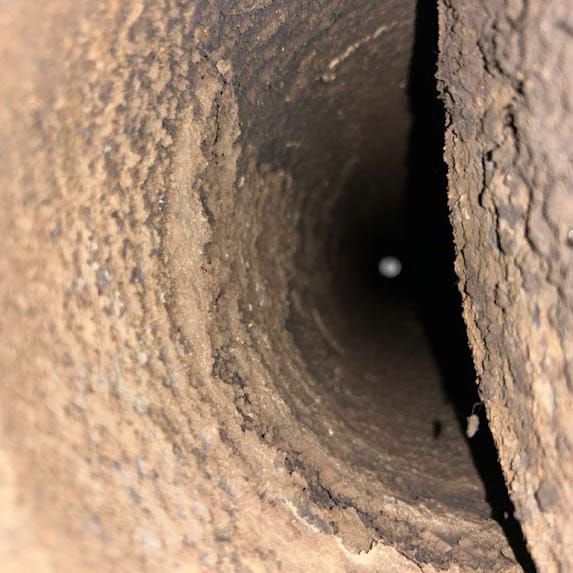
Expert Chimney Flashing Repair & Leak Solutions in Austin, TX
Cracks or rust at roof-to-chimney joints can cause severe water damage during Central Texas storms. If your flashing leaks or fails inspection, tell us what you notice.

Does Your Roof Flashing Show Wear and Tear?
Start with what has visibly changed or what a previous roof inspection identified.
You do not need to know which flashing component has failed before calling. Describe what you see and we will help determine the right starting point.
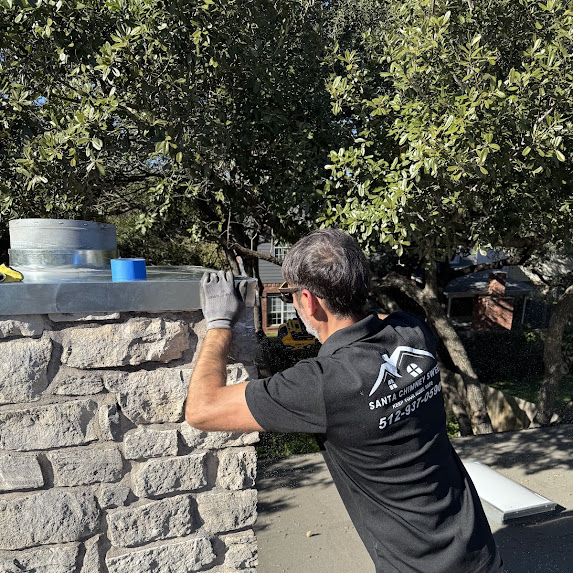
You Can See Rusted Metal Joints
Corroded step and counter-flashing strips can pull away from your brickwork and leave the chimney-to-roof transition vulnerable to water entry.
Pieces Look Loose or Peeled Back
High winds along MoPac and I-35 can lift flashing away from the shingle deck, creating openings where rain can reach the roof assembly.
Water Problems Have Been Traced to the Hearth
Brown water rings on ceiling drywall can indicate active entry points. If the source is unclear, chimney leak detection can help identify where moisture is getting in.
Explore Chimney Leak DetectionA Previous Flashing Seal Is Breaking Down
Degraded caulk can allow wind-driven rain to bypass the moisture barrier and enter around the chimney-to-roof connection.
The Roof Deck Has Been Exposed to Leaks
Rusted flashing joints can allow ongoing moisture to reach the roof deck and contribute to rotting wood framing around the chimney chase.
An Inspection Found Flashing Failure
Professional evaluations may identify missing step-flashing pieces, damaged counter-flashing, or cut reglet damage that requires a closer repair assessment.
You're Not Sure Whether It's Flashing or Shingles
Describe what you see and we will help determine the right starting point. Flashing and roofing problems can create similar signs around the chimney-to-roof transition.
Not sure whether the flashing is actually causing the leak? Tell us what you see and where the problem appears so we can help determine the right starting point.
Book Chimney Flashing RepairChimney Care Experience in Numbers
A summary of the inspection, sweeping, and repair experience supporting Santa Chimney Sweep’s service.
Google Reviews From Austin-Area Customers
Selected feedback about chimney, fireplace, and repair services.
Selected excerpts from customer reviews posted on Google. First names are abbreviated when a surname is available; single-name profiles remain unchanged.
Questions Homeowners Ask About Chimney Flashing
How much does chimney flashing repair cost in Austin, Texas?
Chimney flashing repair typically costs between $350 and $1,200 depending on roof pitch and damage extent. Local labor rates and material selections dictate the final project total. Professional contractors ensure proper waterproofing integration to help prevent costly interior water damage.
Prices vary based on whether technicians replace only step flashing or both step and counter-flashing assemblies. Severe masonry damage may require additional tuckpointing work. Homeowners should consult Austin Roofing Company for a precise property assessment. Official guidelines from the Federal Emergency Management Agency provide additional structural safety insights at FEMA.
What causes chimney flashing to leak during heavy rain?
Chimney flashing leaks occur when metal components rust through, pull away from mortar joints, or lose their protective sealant. Extreme thermal expansion in Central Texas can break down inferior caulking materials rapidly. Wind-driven rain can force water directly through these compromised gaps.
Heavy downpours can overwhelm improperly pitched roof saddles and crickets behind the chimney stack. Missing fasteners may allow sheets to lift during severe storm gusts. Expert intervention helps prevent rotting roof decking and interior ceiling stains. Official building standards are outlined by the International Code Council.
How do I know if my chimney flashing needs repair?
You can identify failing flashing by spotting water stains on ceilings near the fireplace or rust streaks on exterior bricks. Peeling interior paint and damp drywall can signal active water infiltration around the chase. Missing metal pieces visible from the yard can indicate a serious flashing failure.
Regular visual checks after severe weather events can help catch minor seal degradation early. Prompt professional evaluations can stop moisture from damaging surrounding structural wood framing. Municipal building safety guidelines are accessible through the City of Austin.
Can I repair chimney flashing myself or should I hire a professional?
DIY chimney flashing repair is dangerous and may not address hidden masonry or roof deck damage. Working on steep Austin roofs requires specialized fall protection equipment and precise metalworking tools. Professional technicians can install flashing systems correctly and help ensure the work meets applicable requirements.
Improper sealing can trap water inside the wall cavity, accelerating structural decay and mold growth. Qualified contractors can safely install complex step and counter-flashing systems. Local licensing details and consumer protection information are available through the Texas Department of Licensing and Regulation.
What is the difference between step flashing and counter-flashing?
Step flashing consists of individual L-shaped metal pieces woven between each shingle course along the roof slope. Counter-flashing is a separate metal piece embedded directly into the chimney mortar joint and overlapping the step flashing. Together, they create a two-layer barrier against driving rain.
Step flashing manages water runoff along the shingle slope interface. Counter-flashing helps protect the masonry cut from vertical water infiltration. Both elements are important components of a properly installed chimney flashing system. Weather impact data is maintained by the National Oceanic and Atmospheric Administration.
How long does chimney flashing replacement take?
Standard chimney flashing replacement can take between two and four hours for a trained two-person crew. Complex masonry repairs or extensive wood rot replacement can extend the timeline to a full day. Weather conditions can also affect the total project schedule.
Technicians remove old materials, inspect underlying wood decking, and install new metal layers. Curing times for specialized polyurethane sealants can affect when the system becomes fully waterproof. Detailed construction standards are published by the National Institute of Building Sciences.
Will my home insurance cover chimney flashing repair?
Home insurance may cover chimney flashing repair when damage stems from sudden covered storm events such as severe hail or windstorms. Gradual wear and tear or deferred maintenance are commonly excluded from standard homeowner policies. Policyholders should review their specific coverage and deductible terms with their insurance provider.
Filing a formal claim may require detailed photographic evidence of storm-related damage. Professional contractors can provide inspection reports and documentation that may support an insurance claim. Consumer insurance education resources are provided by the Texas Department of Insurance.
What materials are best for chimney flashing in Austin?
Copper and heavy-gauge aluminum are durable options for resisting Austin's intense ultraviolet exposure and humidity cycles. Galvanized steel offers a budget-friendly alternative but requires regular inspection for rust. Premium metals can extend the service life of roof penetrations when properly installed.
Selecting corrosion-resistant metal helps reduce premature joint failure during extreme weather shifts. Professional roofers should match metal types to existing gutter systems and shingle profiles. Material durability standards are maintained by the American Society for Testing and Materials.
How often should chimney flashing be inspected?
Chimney flashing should be inspected at least once a year and immediately following severe Central Texas hail or windstorms. Early detection of minor sealant cracking can help prevent major interior water leaks. Professional roof inspectors can also identify hidden structural vulnerabilities safely.
Annual maintenance helps preserve the waterproof connection between the roof deck and brick masonry. Proactive checks can also extend the operational lifespan of the surrounding roofing system. Home safety guidelines are distributed by the Consumer Product Safety Commission.
What happens if I ignore a leaking chimney flashing?
Ignoring leaking chimney flashing can lead to wood rot, rusted framing connectors, and mold growth inside wall cavities. Water infiltration can saturate attic insulation and damage drywall ceiling structures. Extended moisture exposure can also contribute to masonry deterioration and more extensive structural damage.
Repair costs can increase significantly when minor flashing leaks develop into larger structural problems. Prompt remediation helps protect the property and limit the extent of water-related damage. Environmental health and safety information is provided by the Environmental Protection Agency.
Think the Flashing Around Your Chimney Is Leaking?
You do not need to know which piece of flashing has failed. Tell us where you see water, when it happens, and whether someone has already inspected the area.