

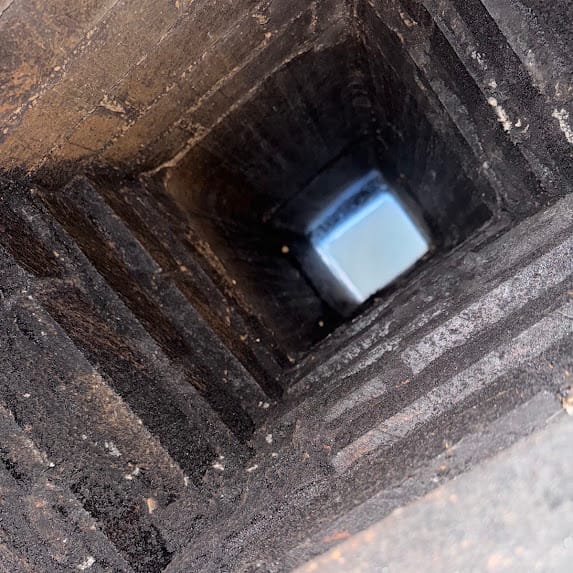
Chimney Leak Detection in Austin, TX
Water around the fireplace does not always reveal where the leak started. If you see stains, dampness, or water near the chimney, we can help narrow down the source before the repair is decided.

You Know There’s Water. You Just Don’t Know Where It’s Coming From.
Finding water near a chimney is frustrating because the place where it appears does not necessarily identify what needs repair.
You do not need to identify the failing component before calling. These are situations where narrowing down the source first can make sense.
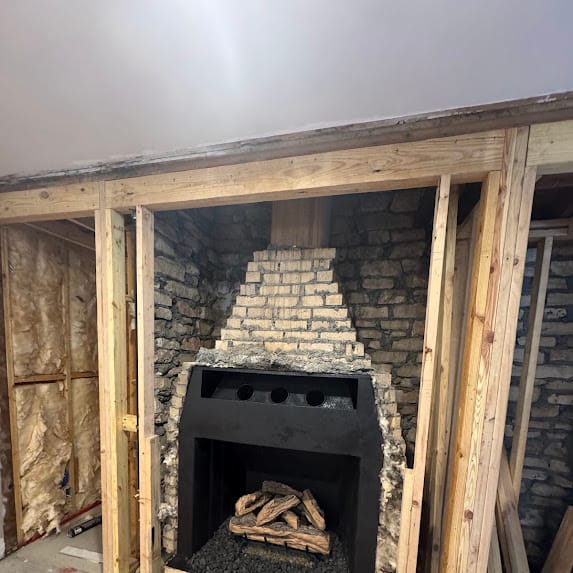
Water Appears After It Rains
Everything may look normal most of the time, but moisture appears during or after rainfall. Knowing when it appears can help narrow down what deserves closer attention.
You See a Stain Near the Chimney
A ceiling or wall stain shows that moisture has been present. It does not automatically identify the flashing, crown, masonry, chimney cap, roof, or another nearby area as the source.
There’s Dampness Around the Fireplace
Moisture, staining, or an unusual damp area around the fireplace can be a reason to investigate further, especially when water intrusion appears to be the primary concern.
Water Is Showing Up Inside the Fireplace
Water inside or around the firebox deserves attention, but its visible location may not reveal where it entered. The source should be narrowed down before selecting a repair.
The Leak Keeps Coming Back
If previous work did not stop the water, repeating the same repair may not solve the problem. A recurring leak is a reason to reconsider whether the actual entry point was identified.
You’ve Been Told Different Things About the Cause
One person may suggest flashing while another suspects the crown or masonry. When the proposed repair keeps changing, identifying the source before committing to more work becomes important.
You Can See Water, but Nothing Outside Looks Obviously Broken
Not every water-entry problem is obvious from the ground. When there is no clear answer from what you can see, the next step is to investigate instead of guessing at a repair.
Not sure whether you need leak detection or leak repair? Tell us where you see the water and when it appears, and we’ll help determine the right starting point.
Book Chimney Leak DetectionChimney Care Experience in Numbers
A summary of the inspection, sweeping, and repair experience supporting Santa Chimney Sweep’s service.
Google Reviews From Austin-Area Customers
Selected feedback about chimney, fireplace, and repair services.
Selected excerpts from customer reviews posted on Google. First names are abbreviated when a surname is available; single-name profiles remain unchanged.
Questions Homeowners Ask About Chimney Leaks
Why does my chimney leak during heavy rain?
Chimney leaks during heavy rain often begin around damaged flashing, cracked chimney crowns, worn mortar joints, or deteriorated chase covers. Water can travel along hidden surfaces before a stain appears indoors, so the visible damage may not show the exact entry point. A chimney inspection can help narrow down the source before repairs are recommended.
How much does chimney leak detection cost in Austin?
The cost depends on chimney height, access, the suspected leak source, and whether additional testing is needed. An inspection may include checking the crown, flashing, masonry joints, and visible moisture around the fireplace. Call (512) 937-0590 to confirm Santa Chimney Sweep's current inspection pricing and what is included before scheduling.
Can I find a chimney leak without a professional?
You can check for water stains near the fireplace, damp masonry, rust around the damper, and moisture after rain. However, leaks at flashing, crowns, or mortar joints can be difficult to trace from indoors. Avoid climbing onto the roof to investigate. A professional inspection can help identify the likely entry point and next steps.
Why is chimney leak detection important for Austin homes?
Austin-area chimneys are exposed to heavy rain and temperature changes that can worsen existing gaps in flashing, crowns, and masonry joints. Water entry may cause interior staining, rusted components, or deterioration of surrounding materials. Checking a suspected leak early helps determine whether chimney repair or an additional roof assessment is needed.
What equipment is used during a chimney leak inspection?
An inspection typically begins with a visual check of accessible chimney components, including the crown, cap or chase cover, masonry, flashing, and interior signs of moisture. Depending on the findings, tools such as moisture meters, inspection cameras, or controlled water testing may be recommended. Ask which methods are available and included in your appointment; not every leak requires the same tests.
How can a damaged chimney crown cause a leak?
A chimney crown sits at the top of a masonry chimney and helps direct rain away from the bricks below. Cracks or gaps in the crown can let water soak into the masonry and travel downward. Because flashing and mortar joints can leak at the same time, an inspection should consider those areas as well before selecting a repair.
Does homeowners insurance cover chimney leak detection?
Coverage depends on your policy and the cause of the damage. A sudden, covered storm event may be treated differently from gradual deterioration or deferred maintenance. The cost of finding the leak may also be handled separately from repair costs. Ask your insurer about documentation and applicable coverage. The Texas Department of Insurance provides guidance on homeowners insurance claims.
How often should I have my chimney checked for leaks?
An annual chimney inspection is a useful baseline, but do not wait for the next scheduled visit if you notice new stains, dampness, or rust after a storm. A leak assessment can focus on the crown, flashing, cap, and masonry joints. Check our service areas for locations served around Austin.
What signs mean I should schedule chimney leak detection?
New water stains near the fireplace, a damp firebox, a musty odor, white powdery deposits on brick, crumbling masonry, or a rusted damper can indicate moisture entry. If a stain grows after rain or water is actively dripping, arrange an inspection promptly. Avoid using the fireplace if water damage may have affected its safe operation.
How does Santa Chimney Sweep assess a chimney leak?
A chimney leak assessment starts with when and where the moisture appears, followed by a review of accessible chimney areas such as the crown, masonry, flashing, and fireplace. Additional testing or a separate roof assessment may be needed if the source is not clear. Learn more about Santa Chimney Sweep or contact us to discuss the problem.
Secure Your Home Before Water Damage Spreads
If you see water stains, damp masonry, or rust around your fireplace after rain, contact Santa Chimney Sweep about a chimney leak inspection in Austin or the surrounding area. Discuss the symptoms and possible next steps by calling (512) 937-0590, or use the online booking button to request service.